August 18, 2026
Secondary damage can develop quickly after a disaster, often turning a manageable situation into a far more serious problem. While primary damage occurs during the original event, secondary damage develops afterward and may spread through a property, community, or infrastructure system. Water intrusion, mold growth, electrical hazards, weakened materials, contamination, and structural deterioration can all worsen when action is delayed. Understanding how quickly these problems can develop helps property owners, emergency planners, and restoration professionals make better decisions. In many water-related situations, contacting a water restoration company early can help limit the spread of moisture and reduce the likelihood of additional damage.
Understanding Secondary Damage
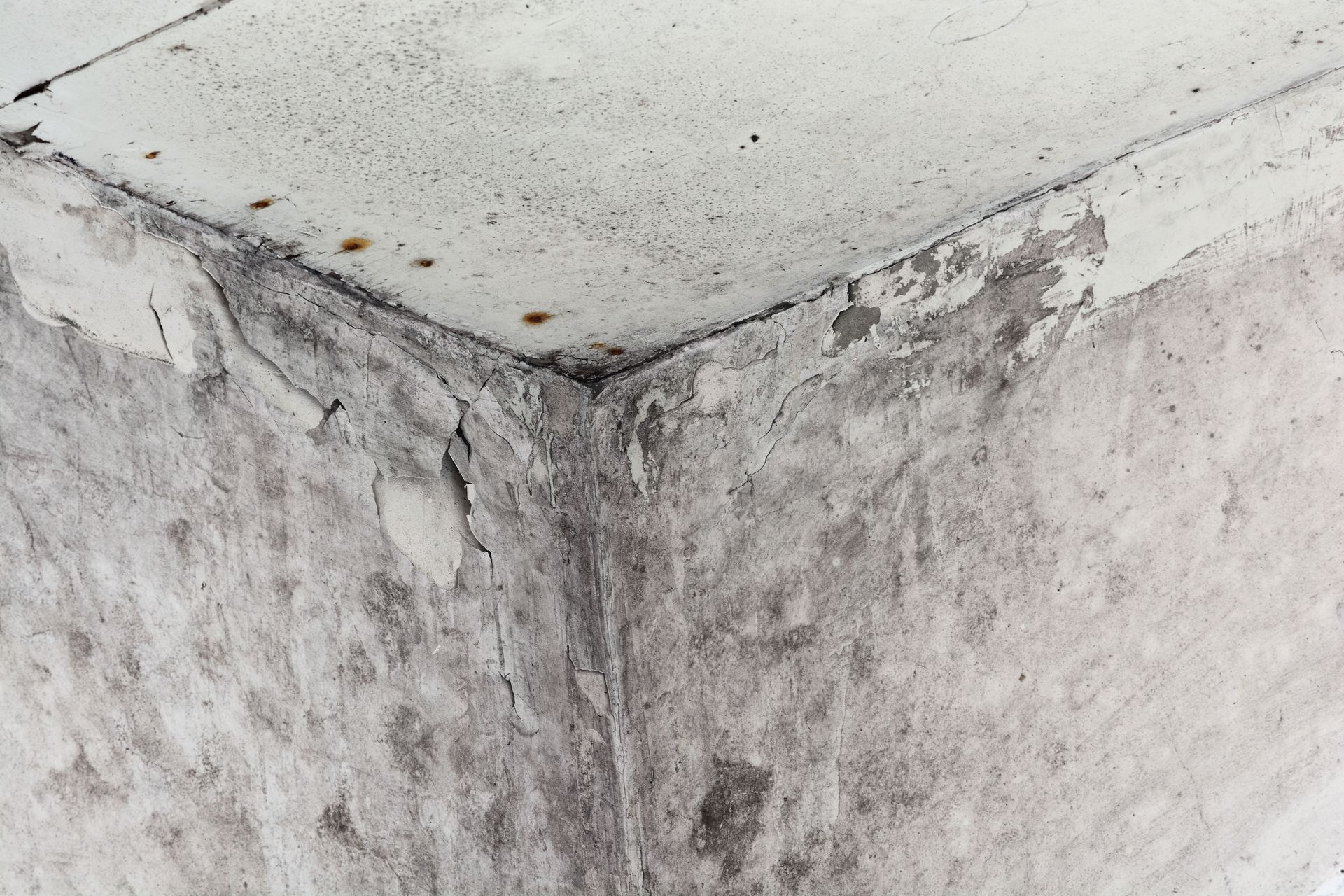
Secondary damage refers to harm that occurs after the initial cause of a disaster has already taken place. A storm may damage a roof, for example, but the water that enters afterward can soak insulation, drywall, flooring, furniture, and framing. The original roof damage is the primary problem, while the moisture-related deterioration that follows is secondary. Similar patterns occur after fires, earthquakes, industrial accidents, and other emergencies. Secondary effects may include mold, corrosion, contamination, pest activity, electrical problems, and weakened structural materials. These issues often increase repair costs because they affect areas that were not seriously damaged during the original event.
How Quickly Water-Related Damage Can Develop
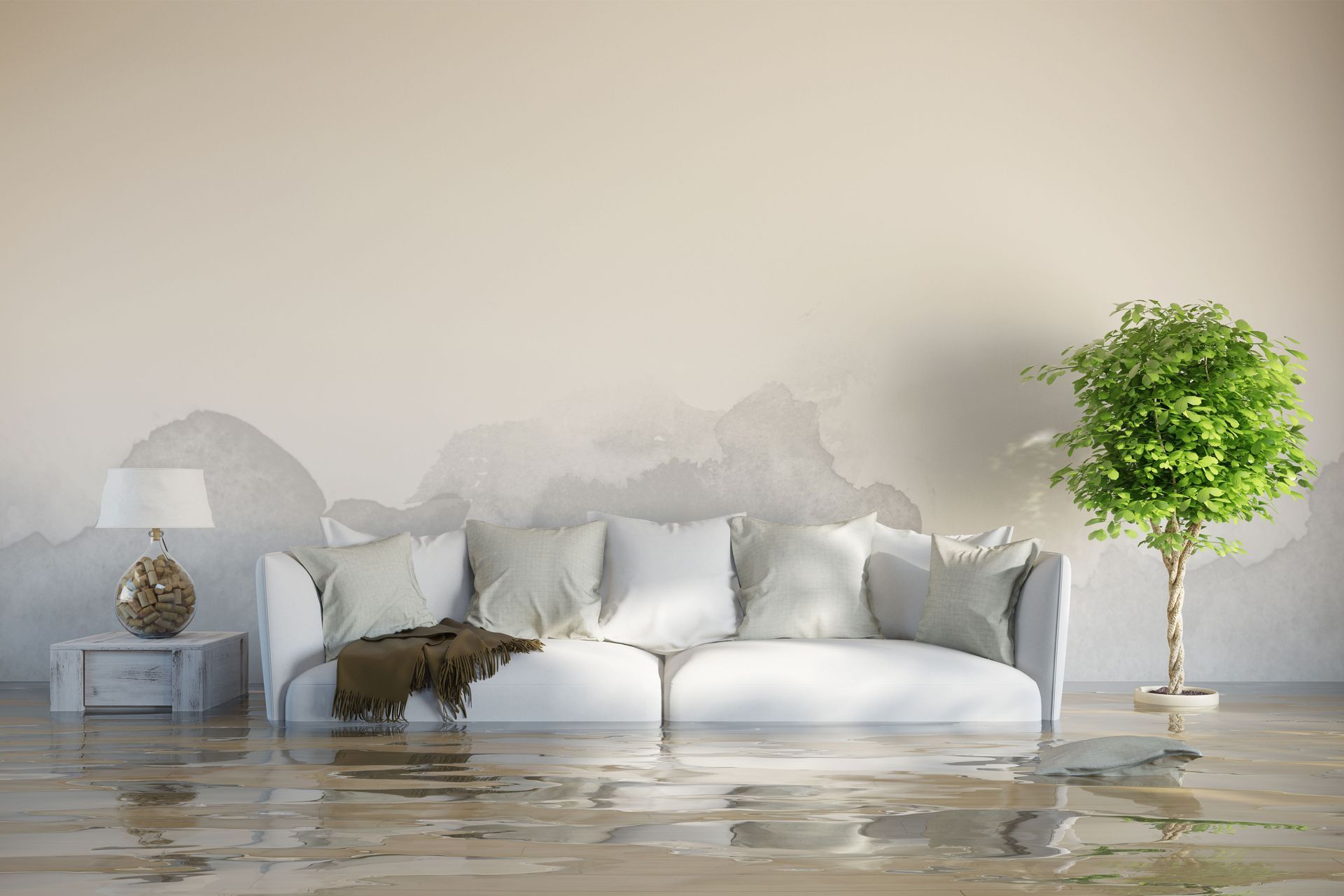
Water-related secondary damage can begin within minutes. Porous materials such as carpet, drywall, wood, and insulation absorb moisture rapidly, allowing water to move beyond the visibly wet area. Furniture finishes may swell, paper products can deteriorate, and flooring adhesives may weaken. Within hours, moisture can migrate into wall cavities and other concealed spaces. Moisture-detection equipment can identify affected areas that may not be obvious during a visual inspection. Acting early is important because the longer materials remain wet, the more difficult drying and restoration may become.
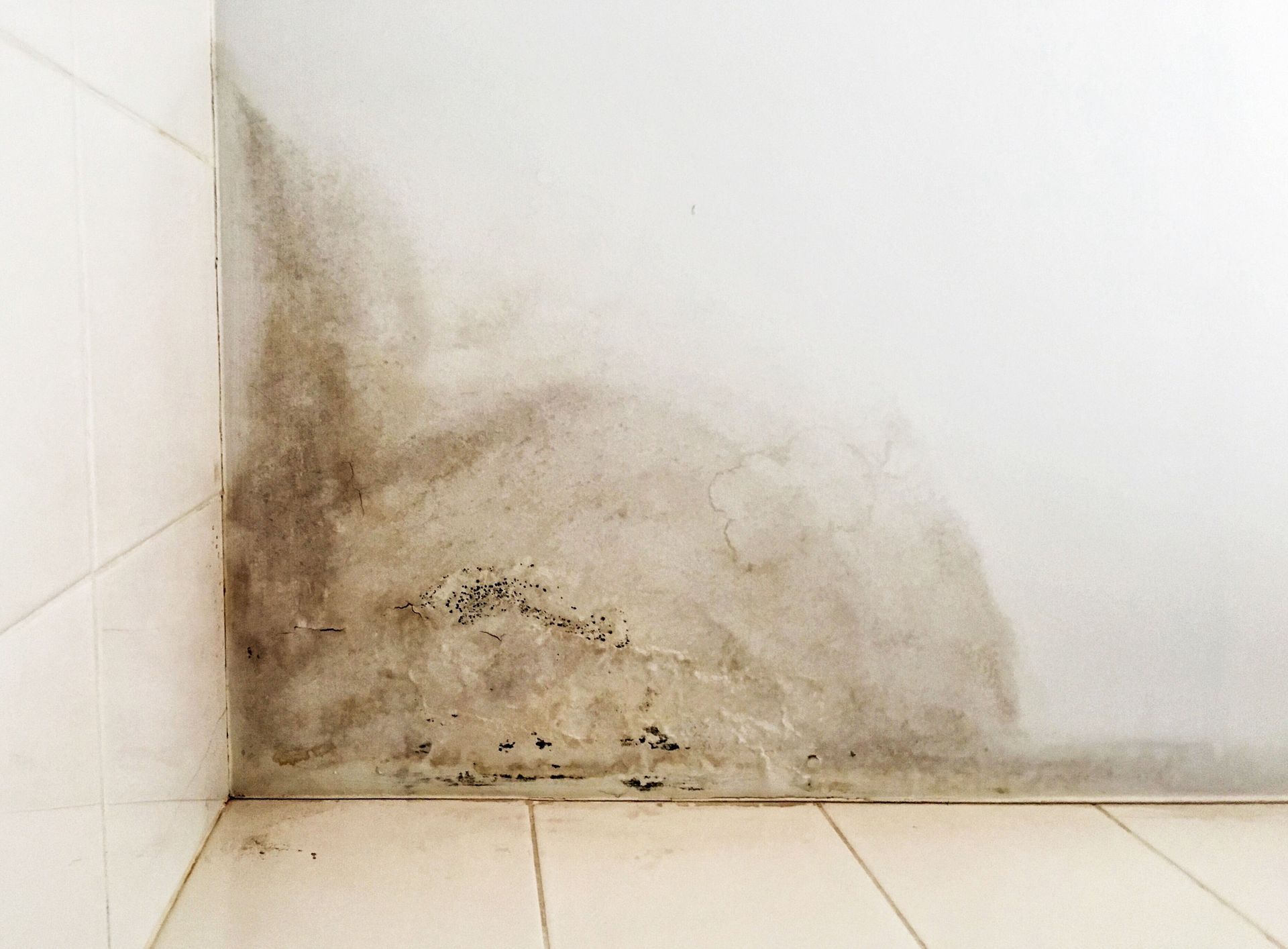
Within the first day or two, microbial growth can also become a concern under favorable conditions. According to This Old House, water damage should be handled promptly, as mold can begin growing on a damp surface within 24 to 48 hours. Warm temperatures, humidity, stagnant air, and organic materials can create an environment where mold develops quickly. Odors may begin to appear, and wood products can start swelling or warping. Fast extraction, ventilation, dehumidification, and controlled drying reduce the amount of time moisture remains available to cause additional deterioration.
Environmental Conditions That Influence the Timeline
The speed of secondary damage depends heavily on environmental conditions. High humidity slows evaporation, warm temperatures can accelerate microbial activity, and poor air circulation traps moisture inside rooms and wall systems. The amount and type of water also matter because clean supply-line water presents different concerns than stormwater, sewage, or water containing debris. A water restoration company evaluates these conditions before determining how aggressively an area must be dried, cleaned, or removed.
Structural Materials Can Deteriorate at Different Rates
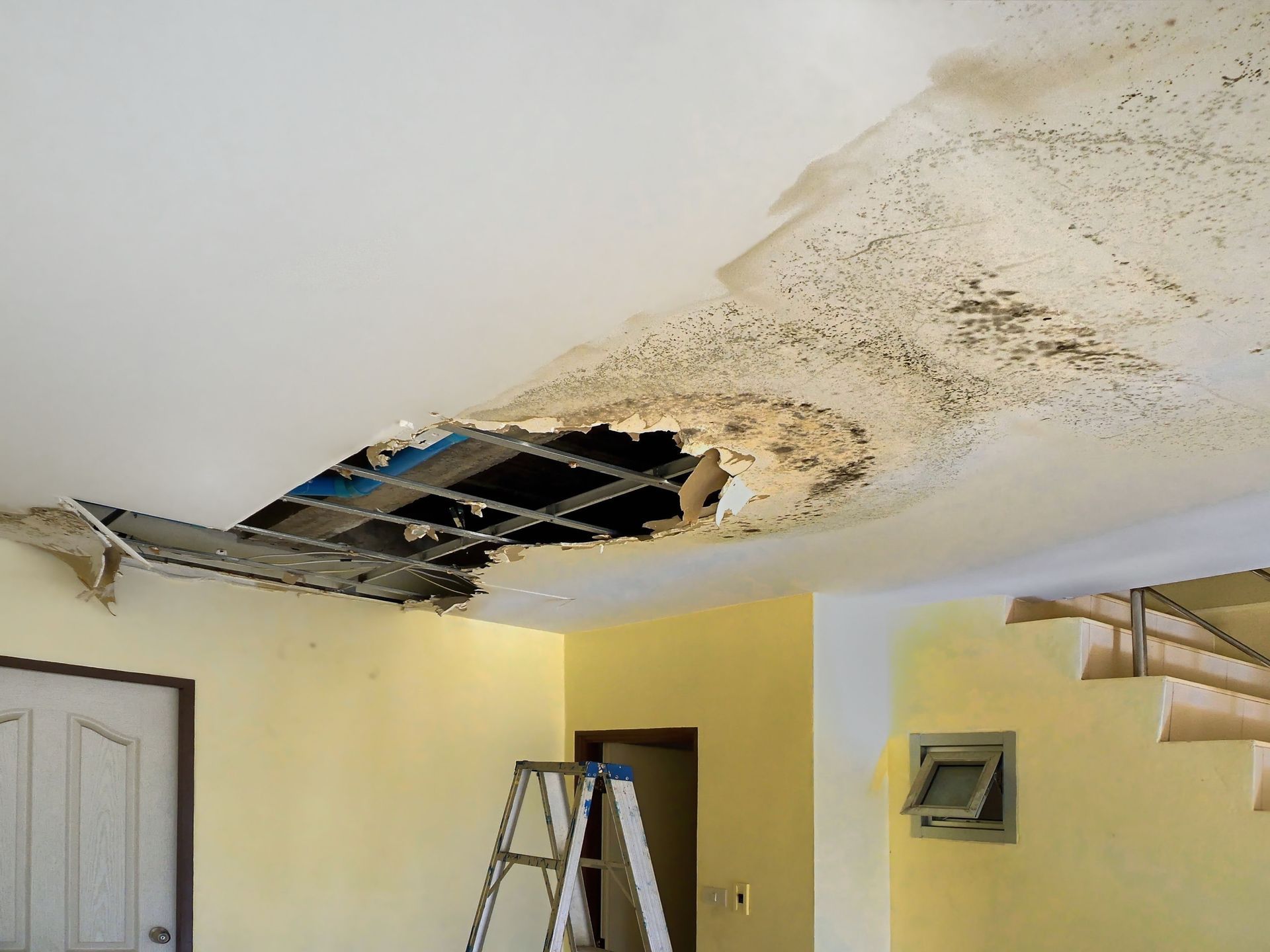
Building materials react to water differently. Drywall can soften and lose integrity, while wood may expand, split, or warp as moisture rises. Insulation can lose effectiveness, ceiling materials may sag, and metal components can corrode. Because these changes may occur gradually, a room can appear dry while concealed materials continue to deteriorate. The extent of damage often depends on how long the material was exposed, how deeply moisture penetrated, and whether the area received adequate airflow.
Professional drying focuses on both visible moisture and moisture trapped inside materials. A water restoration company may monitor walls, flooring, cabinets, and structural components during the drying process to determine whether conditions are improving. This monitoring can help prevent premature repairs that trap moisture behind new finishes.
Mold and Indoor Air Quality Concerns
Mold is one of the most recognized forms of secondary damage after water intrusion. Sustained moisture can encourage growth on drywall paper, wood, fabrics, dust, and other organic materials. Mold may spread beyond the original wet area when humidity remains high. Musty odors can indicate hidden moisture, but drying the area quickly and correcting the source are essential to limiting continued growth.
Air quality may also decline when wet materials support bacteria, odors, or airborne particles. Depending on the source of the water, cleaning and sanitizing may be necessary in addition to drying. Contaminated materials may need to be isolated or removed to prevent pollutants from spreading into unaffected rooms. Proper ventilation and moisture control are equally important throughout the restoration process.
Electrical and Mechanical Hazards
Secondary damage is not limited to visible building materials. Water can enter electrical outlets, wiring, appliances, HVAC equipment, and mechanical systems. This creates potential safety hazards and can cause equipment failures long after standing water has been removed. Electrical components exposed to moisture should be evaluated before power is restored in affected areas. HVAC systems may also require inspection if water, smoke, or contaminated particles entered ducts or equipment. Taking these precautions helps prevent additional property loss and reduces the risk of injury during cleanup.
Why Delayed Response Can Increase Repair Costs
Delays often allow secondary damage to spread from one material to another. Water under flooring may reach subflooring, moisture inside walls may affect insulation and framing, and damp cabinets can transfer moisture to nearby finishes. As the affected area expands, more materials may need to be removed rather than dried in place. Labor, equipment use, reconstruction, and content replacement costs can all increase as a result. Calling a water restoration company shortly after the source has been controlled can help establish drying priorities before moisture reaches additional areas.
Documentation is also easier when restoration begins promptly. Photographs, moisture readings, inventories, and condition reports can provide a clearer picture of what was damaged and how conditions changed during the response. This information may be useful for property records, insurance communication, and repair planning.
Secondary Damage Beyond Residential Properties
Commercial buildings, schools, healthcare facilities, and warehouses can experience the same progression of secondary damage on a larger scale. Water may damage inventory, records, electrical systems, technology, machinery, and customer areas. Even limited flooding can interrupt operations, while hidden moisture may travel beneath flooring or through connected walls. Fast assessment and containment help reduce downtime.
Restoration professionals working in a commercial environment may coordinate drying around business operations, safety requirements, and access restrictions. The objective is not only to remove water but also to protect unaffected areas and support an organized return to normal use. Larger facilities may also require multiple drying zones so moisture can be addressed systematically without unnecessarily disrupting the entire property.
Preparedness Can Slow the Progression of Damage
Property owners can reduce the impact of secondary damage by preparing before an emergency occurs. Knowing where water shutoff valves, electrical panels, drainage systems, and emergency contacts are located can save valuable time. Routine roof inspections, plumbing maintenance, sump pump testing, gutter cleaning, and drainage improvements can also reduce the likelihood that a small problem becomes a major water event. Businesses may benefit from written emergency plans that identify responsible staff members, critical equipment, utility shutoffs, and procedures for protecting records and inventory.
Preparedness should also include knowing when a problem exceeds the scope of ordinary cleanup. Large water losses, contaminated water, hidden moisture, and damage affecting structural or electrical systems may require specialized equipment and expertise. Having the contact information for a water restoration company available before an emergency can simplify the first steps when rapid action matters most.
A coordinated response can protect more of the original structure, reduce unnecessary replacement, and shorten the path toward recovery. Whether damage follows a storm, plumbing failure, appliance leak, fire response, or another emergency, early intervention remains one of the strongest defenses against escalating problems. When conditions are extensive or difficult to assess, a water restoration company can provide the equipment and technical guidance needed to address moisture before secondary damage becomes more severe. Contact our team at AVM Restoration today and learn more about our water restoration services.