June 8, 2026
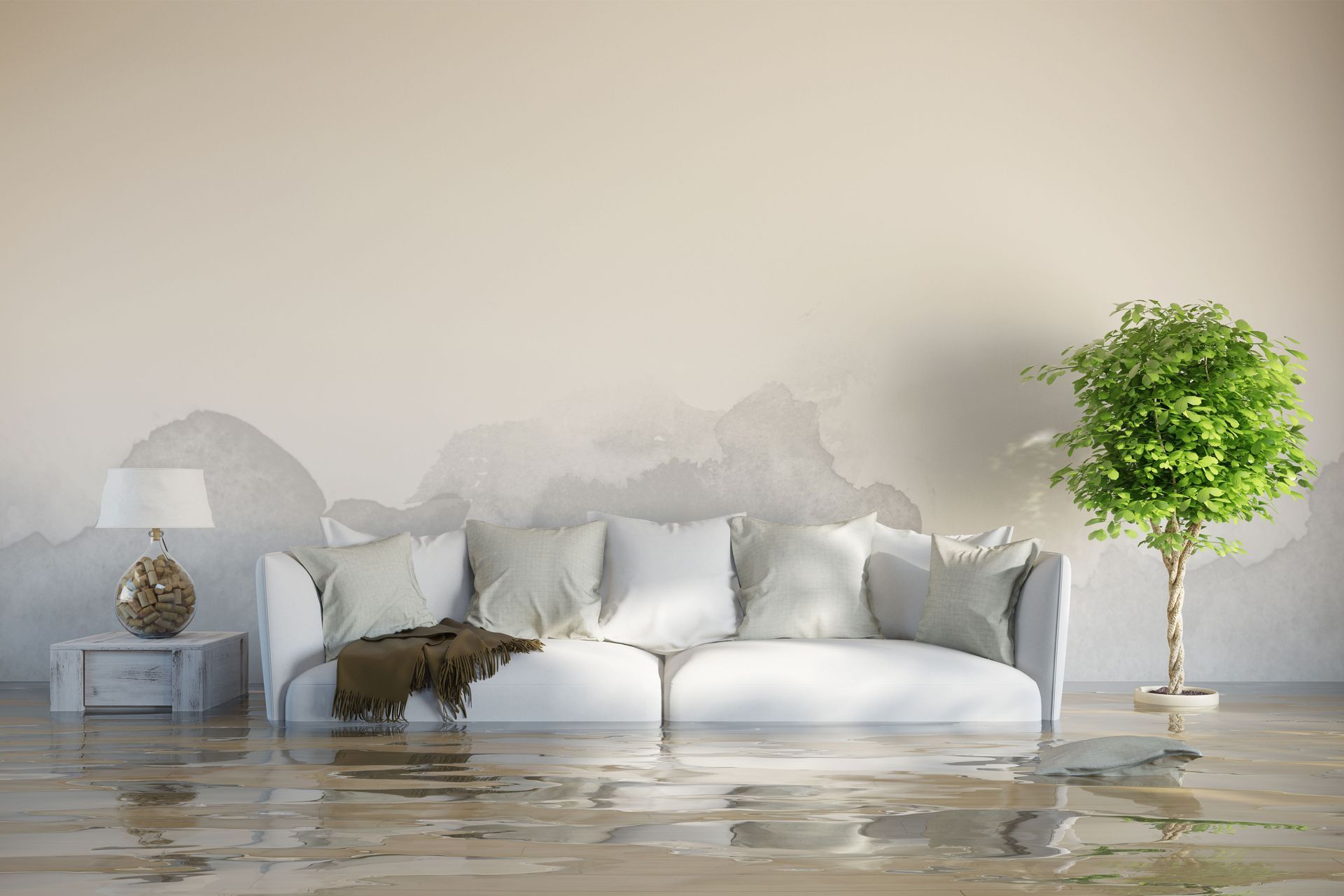
Residential flooding is no longer a rare disruption; it's an increasingly common reality for homeowners navigating shifting weather patterns and aging infrastructure. In areas like Lawrenceville, GA, properties face growing exposure to sudden water intrusion that can escalate quickly without a clear response plan. Understanding why floods happen more often and how to respond effectively positions homeowners to minimize damage and recover faster. Working with experienced local water restoration companies ensures that when water enters a home, the path forward is immediate, structured, and handled with precision.
Examine the Growing Causes of Residential Flooding
Flooding trends are closely tied to evolving climate conditions, where heavier rainfall and unpredictable storms are becoming more frequent. Warmer air holds more moisture, increasing the likelihood of intense downpours that overwhelm drainage systems and saturate the ground. As these patterns intensify, homes that were once considered low-risk are now experiencing repeated water intrusion events. This shift has made water restoration companies an essential part of a homeowner's preparedness strategy.
Urban development adds another layer of complexity, especially in expanding suburban areas. Hard surfaces like concrete and asphalt prevent water from naturally absorbing into the ground, forcing it to accumulate and flow toward residential properties. Drainage systems often struggle to keep pace with this growth, leading to backups and localized flooding. In these scenarios, water restoration companies play a critical role in addressing both immediate damage and long-term structural concerns.
Land use changes, including deforestation and large-scale construction, further disrupt natural water flow. When vegetation is removed, the land loses its ability to absorb and regulate water efficiently. This leads to faster runoff and increased pressure on nearby homes during storms. Addressing these risks requires a combination of environmental awareness and access to reliable water restoration companies when flooding occurs.
Evaluate the Role of Infrastructure and Planning
Infrastructure limitations are a major contributor to residential flooding, particularly in areas experiencing rapid population growth. Outdated stormwater systems, undersized drainage networks, and inconsistent maintenance all increase the likelihood of water entering homes. When these systems fail, the impact can be immediate and severe, requiring intervention from local water restoration companies to prevent further damage. Upgrading infrastructure is a long-term solution, but response readiness remains essential in the short term.
Modern planning approaches are beginning to integrate water management solutions that mimic natural processes. Features like permeable pavement, retention basins, and green roofing systems help slow and redirect water flow. These strategies reduce the burden on traditional drainage systems while lowering flood risk for nearby properties. Even with these improvements, homeowners still rely on water restoration companies to manage unexpected events and restore affected spaces.
Retrofitting older neighborhoods presents unique challenges but also opportunities for improvement. Updating drainage systems, reinforcing foundations, and improving grading around homes can significantly reduce flood exposure. These efforts require coordination between municipalities and property owners to be effective. When flooding does occur despite these measures, water restoration companies ensure the recovery process is handled efficiently and thoroughly.
Understand the Financial Impact of Flood Damage
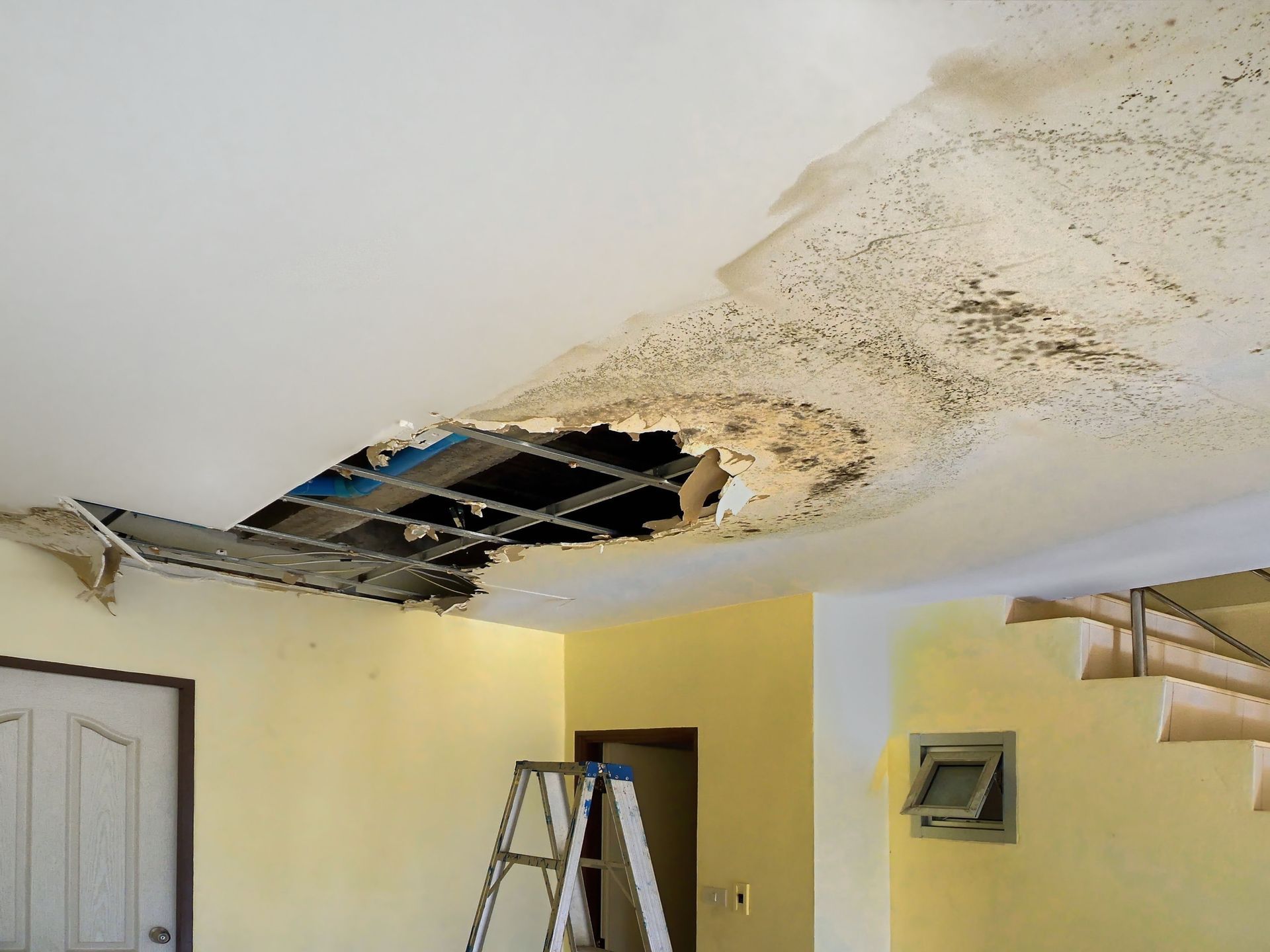
Flooding creates immediate financial strain through property damage, material loss, and disruption to daily life. Repairs often extend beyond visible water damage, affecting flooring, walls, electrical systems, and structural components. Without a timely response, these issues can escalate into more expensive long-term problems. Partnering with water restoration companies helps contain costs by addressing damage quickly and completely.
According to RubyHome, 14,000 people experience water damage each day. This volume highlights how widespread and consistent these incidents have become across the country. For homeowners, this means the risk is not hypothetical—it's ongoing and demands preparation. Local water restoration companies are positioned to respond rapidly, helping reduce downtime and financial loss.
Insurance plays a significant role in recovery, but navigating claims can be complex and time-sensitive. Documentation, inspections, and communication with adjusters all require attention during an already stressful situation. Companies that handle insurance paperwork streamline this process, ensuring claims move forward without unnecessary delays. This support allows homeowners to focus on restoring normalcy while water restoration companies manage the technical and administrative details.
Address Health and Safety Risks After Flooding
Floodwater introduces serious health concerns that extend beyond visible damage. Contaminants, bacteria, and debris carried into the home create unsafe conditions that require professional handling. Exposure to these elements can lead to illness, particularly for vulnerable individuals. Local water restoration companies are equipped to manage these hazards safely and effectively.
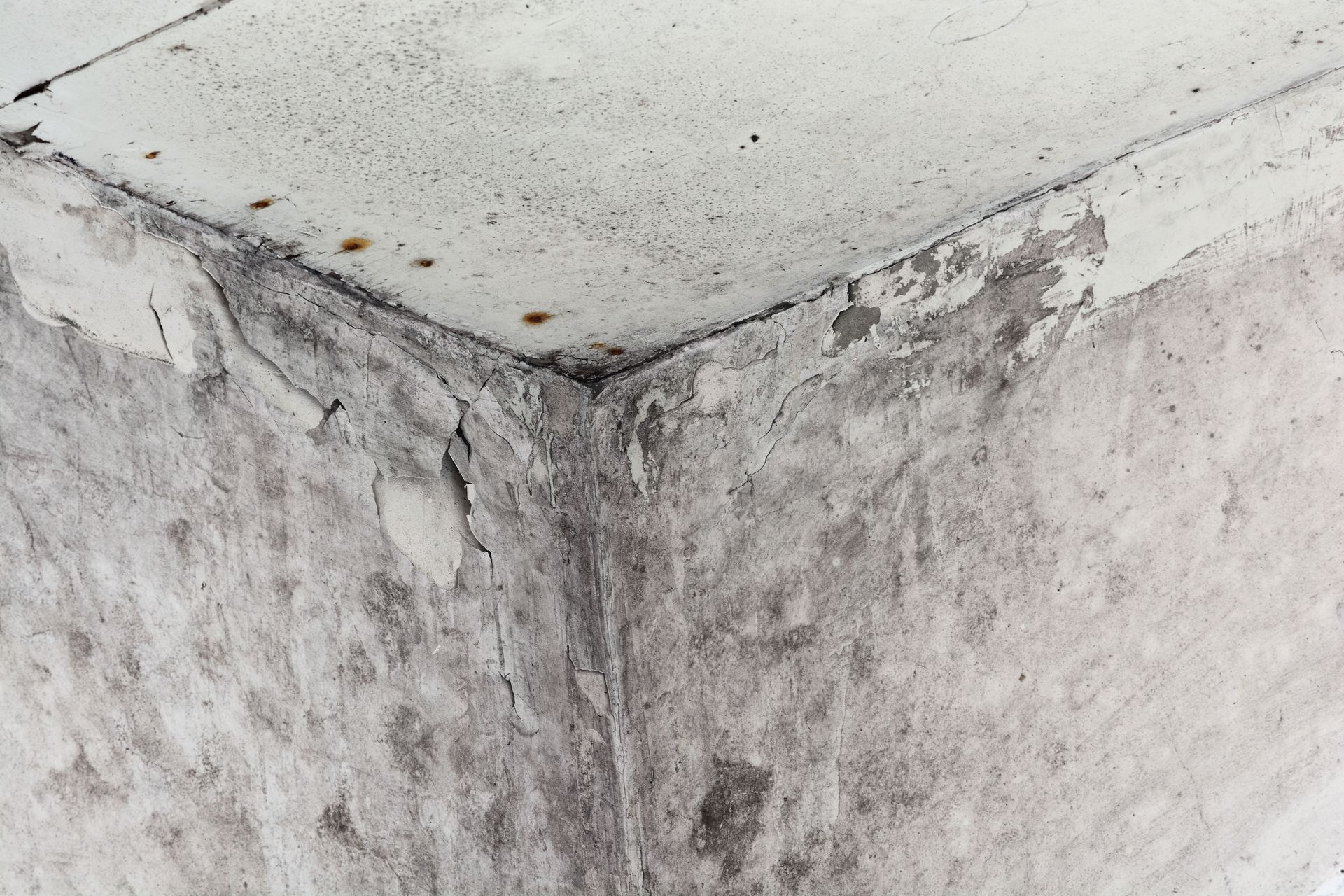
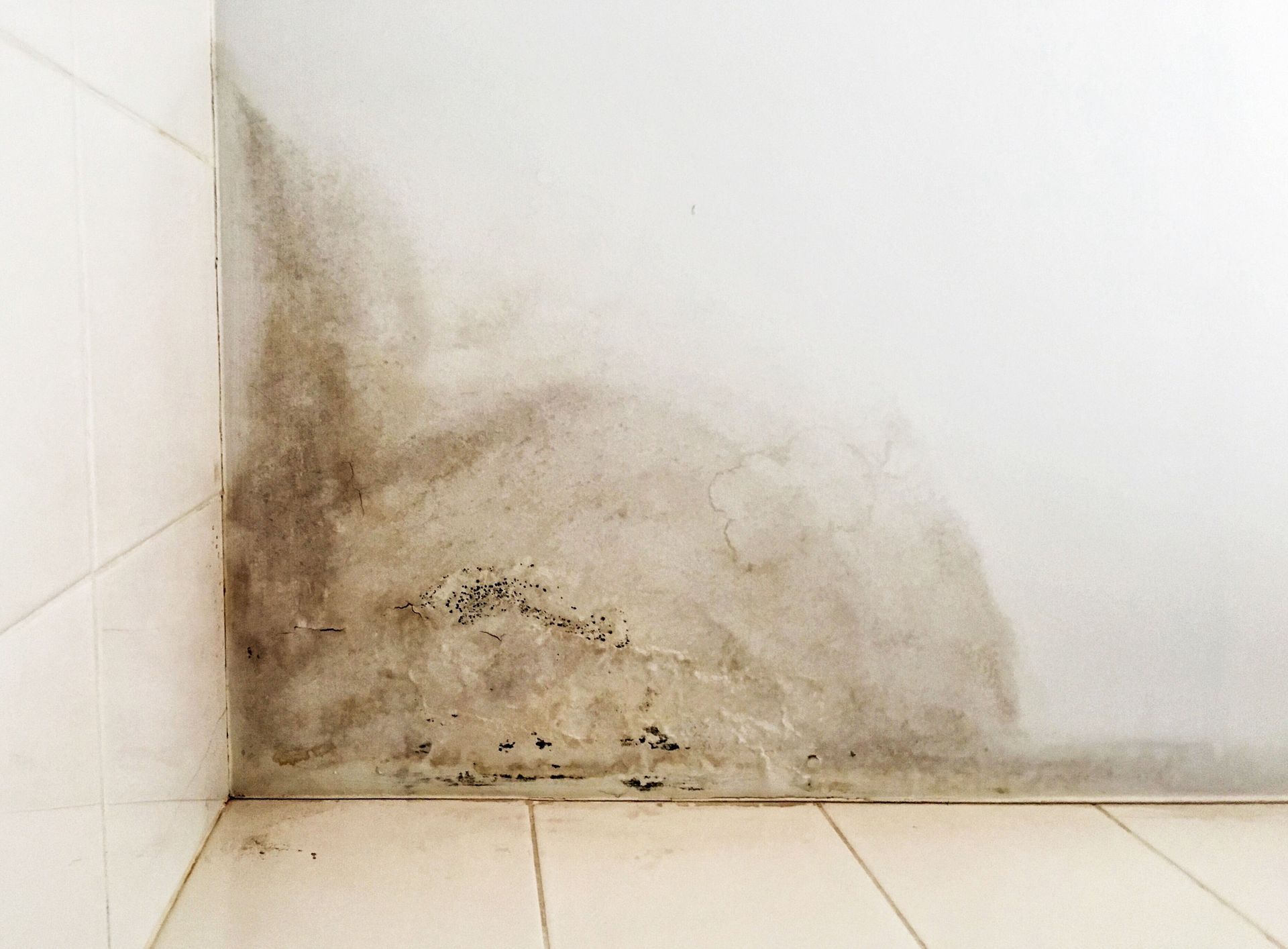
Moisture that lingers after a flood creates the ideal environment for mold growth. Within a short timeframe, mold can spread throughout walls, flooring, and HVAC systems, leading to air quality issues and structural deterioration. Addressing moisture at its source is essential to preventing these complications. Local water restoration companies use specialized equipment to remove water, dry affected areas, and restore safe indoor conditions.
Safety also extends to the structural integrity of the home. Water can weaken foundational elements, compromise support structures, and damage essential systems. Thorough inspections are necessary to identify hidden risks and ensure the property remains secure. With the support of water restoration companies, homeowners can move forward with confidence that their property has been properly assessed and restored.
Analyze Environmental and Community Effects
Flooding impacts extend beyond individual homes, affecting entire communities and local ecosystems. Water runoff can carry pollutants into rivers, lakes, and groundwater sources, disrupting the environmental balance. These effects can linger long after floodwaters recede, influencing water quality and public health. Addressing these challenges requires coordinated efforts alongside the expertise of water restoration companies.
Communities often experience service disruptions following flood events, including road closures, utility outages, and limited access to essential resources. These interruptions can slow recovery and create additional strain for residents. Efficient restoration at the property level contributes to broader community resilience. Local water restoration companies help accelerate this process by restoring homes quickly and minimizing extended disruptions.
Social impacts are equally significant, especially when families are displaced due to severe damage. Temporary relocation, financial stress, and uncertainty can affect overall well-being. Reliable restoration services provide a clear path forward, helping families return to their homes sooner. With the support of local water restoration companies, communities can recover more effectively and rebuild with greater resilience.
Strengthen Preparation and Mitigation Strategies
Preparation is a critical component of reducing the impact of residential flooding. Proactive measures such as proper grading, drainage maintenance, and regular inspections can help limit water intrusion. However, even well-prepared properties can experience unexpected flooding under extreme conditions. Establishing a relationship with water restoration companies ensures immediate support when it's needed most.
Building practices are evolving to incorporate flood-resistant materials and design strategies. Elevated structures, water-resistant barriers, and reinforced foundations all contribute to improved resilience. These features can reduce damage severity and simplify the restoration process. When combined with the expertise of water restoration companies, they form a comprehensive approach to flood management.
Emergency response readiness is equally important in minimizing damage. Fast action can significantly reduce water exposure time and prevent secondary issues like mold growth. Having access to 24/7 emergency service ensures that help is available regardless of when flooding occurs. Local water restoration companies provide this level of responsiveness, allowing homeowners to act quickly and effectively.
Residential flooding is an ongoing challenge that demands both awareness and action from property owners. From shifting weather patterns to infrastructure limitations, multiple factors contribute to the increasing frequency of water-related damage. Addressing these risks requires a combination of preparation, professional support, and a clear recovery strategy. When flooding occurs, AVM Restoration is ready to respond with 24/7 emergency service, comprehensive restoration solutions, and support throughout the insurance process, helping homeowners in Lawrenceville, GA move from damage to recovery with confidence.